Digital Fireplaces

How do you tell a story, evoke an atmosphere and capture the spirit of a place whilst making the best use of space in a sensitive historic building?

If the room has an imposing fireplace that is otherwise unused, this can be the ideal spot to create that impact without intruding on the integrity of the rest of the space.

We have created digital fireplaces at Caerphilly and Conwy Castles – although there is no reason why this technique couldn’t be used in palaces, stately homes and other historic buildings too.
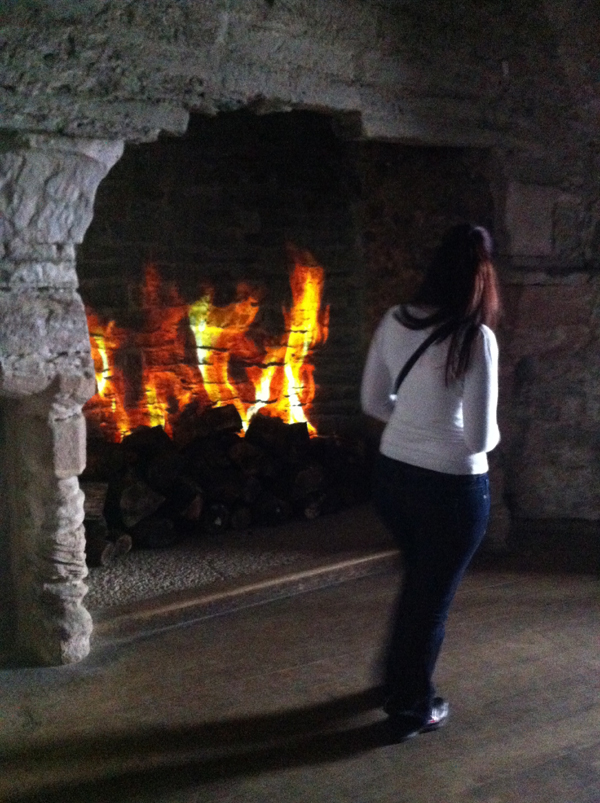
Interactive fire place exhibit at Conwy Castle

At Caerphilly, the digital fire adds a sense of warmth to the Great Hall, also using music and images to convey the sense of celebration that the hall would often see, and telling stories from the castle’s history.

The digital fireplace system can be installed easily – all that is needed is a power socket and a chimney. Our bespoke expansion mount system is designed to be installed in listed buildings with no permanent fixing required which means that this imaginative way of interpreting the spirit of place is an opportunity for any historic building.
New Project: Glen Finglas

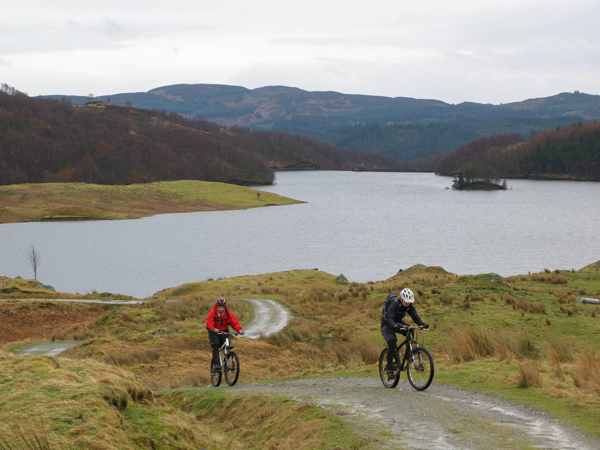
We’re pleased to have won a new piece of work with The Woodland Trust on a new visitor centre at Glen Finglas in the Trossachs National Park, part of The Woodland Trust’s largest property and supports remaining ancient trees as well as a programme to restore degraded areas of woodland. It is also home to some iconic wildlife including red deer, golden eagles and black grouse so there will be plenty for an interactive exhibit to feature.

The site will not be staffed but will provide the visitor with an opportunity to shelter from the weather and to find out more about what the Great Trossachs, and Glen Finglas in particular, have to offer.

The multi-touch screen will play an important part in introducing visitors to the site and helping them to make the most of their visit. It will centre on the map of the forest, with Glen Finglas highlighted, showing points of interest, walking trails, cycles routes and great views.

Photo Credit: vw.splitscreen via Compfight cc

Is your interactive exhibit securely backed up?

Whenever we hand over our software to a client, we provide a copy on a USB stick with a manual that explains how to re-install the software should the need arise.

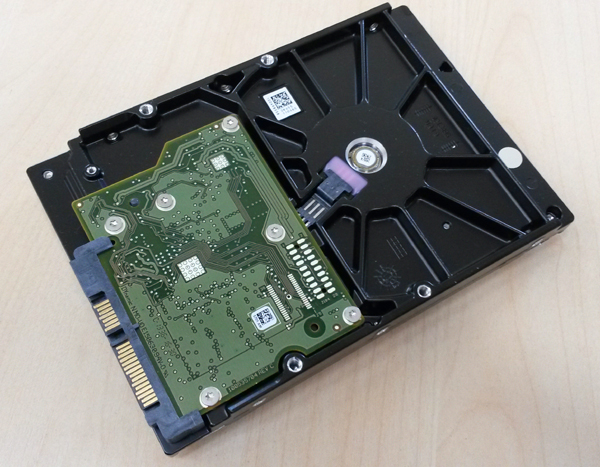
If you have an interactive exhibit but have not been provided with a back-up copy of the software, we’d strongly recommend that you make a copy, backing it up safely. A solid state hard drive need cost no more than £50-60 so it’s a cost effective investment that can prevent all kinds of problems, even the complete loss of your exhibit should the worst happen.

Hard drive

Our top tips for a contingency plan:

  1. Make sure you have a back-up of your software, either from your original developer or one you take yourself.
  2. Make sure it is kept safe, somewhere where it will not also be affected by any disaster that strikes your exhibit.
  3. Allocate responsibility for maintaining that back-up to a specific individual so that you always know where it is kept – and make sure that the details are passed on should that individual leave.

Increasing secondary spend with a photo system

We have recently installed a new photo system at The World of Beatrix Potter in the Lake District. This creative approach is designed to appeal to families with young children, allowing them to be pictured with a range of favourite Beatrix Potter characters. The system replaces a previous system from a different provider.

We work closely with the attraction to maximise the revenue from the photo system. Remote measurement of key performance indicators such as the number of pictures taken and the number of items sold enables us to identify and improve conversion rates.  We have been very pleased to discover at our recent meeting with the client that sales from the first month of operation of the new system are up 50% on sales from the same month last year with the older system.

When we factor in the visitor numbers, we get an even more detailed picture and this allows us to make recommendations to increase the use or the flow of visitors, eliminating bottlenecks, in order to meet sales targets.

As with any visitor attraction there are, inevitably, seasonal trends and this approach allows us to test changes and improvements before the busier times, so optimising the use of the photo system throughout the year.

Moors for the Future – a sneak preview of Fire Aware

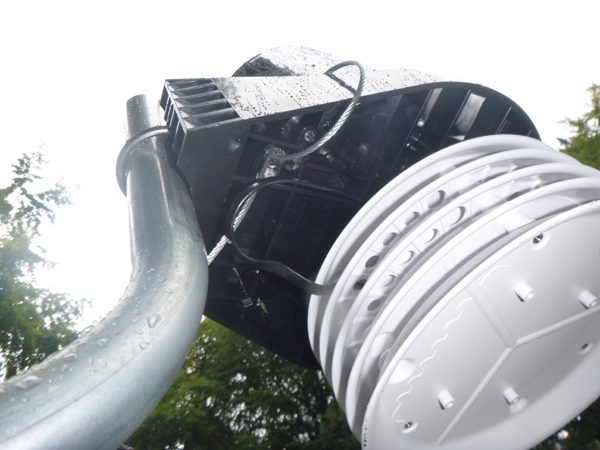
Throughout the winter, the weather stations that we installed at the Edale and Derwent Valley Visitor Centres in the Peak District have been collecting temperature and rainfall data.

Weather station at Moors for the Future

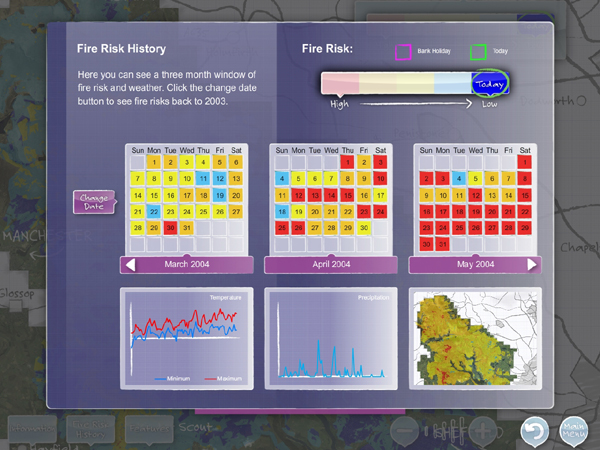
Working with experts from Manchester University we have written software that will take this data and predict moorland fire risk. Data will continue to be collected over the coming years and, as well as live fire risk prediction, visitors can see historical trends based on data from as far back as 1976 – we can already see that now spring is here the risk starts to increase.

Fire risk history interactive installation for Moors for the Future

This is the second phase of the Fire Aware project which will include the display of historical fire risk data, live data, two interactive games and a touchscreen exhibit explaining through images and interviews what goes on at various locations around the moors to reduce the risk of fire.

Read more about Phase One of the Fire Aware project here…

Wow. But not for Wow’s sake

We’ve been having some interesting conversations this week with organisations that see the appeal of an interactive exhibition and which are far from being the traditional museum or visitor centre.

The common thread that we’ve observed is about bringing a “wow” factor to locations where you perhaps wouldn’t expect it and in ways that address particular challenges the organisations face.

One natural attraction has a fascinating tour but the logistics inherent in a visit to the site tend to cause, at one stage, a little bit of a slump in the visitor experience. It’s the ideal point at which to create a “wow” factor that enhances the visit, brings consistency throughout what is otherwise an experience that has plenty to boast about, and complements the human interaction with the guides.

We’ve also been talking to people at a church who are considering how best to use an interactive installation to appeal not only to their existing congregation but to also help inform, educate and engage different types of visitors.

Church interactive installation

School groups will be an important focus and the exhibit will explain the activities and services at the church, its artefacts, and its social history in ways that support the curriculum. The “wow” factor will certainly be an essential part in ensuring that they are successful in reaching out beyond their established audience.

Revive your computer for just 50p

When you invest in hardware for your interactive exhibits it makes good sense to maintain it properly to get the best possible use from it.

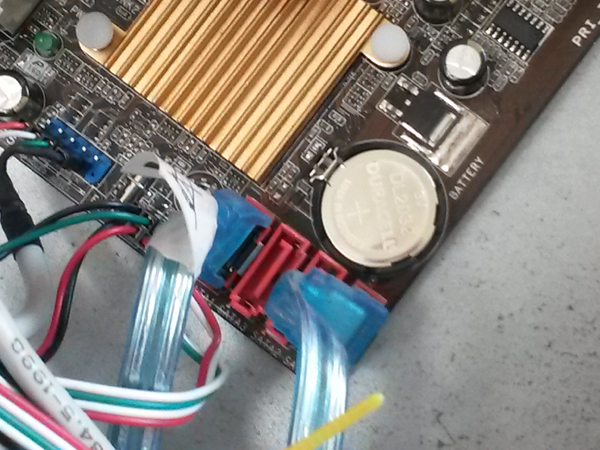
One little-known thing is that your computer contains a small battery to remember the date and time. It’s seems like a small thing but, if the battery dies, your computer doesn’t work. It’s worth checking whether this is the cause of a non-functioning computer because the battery costs around a mere 50p – it looks like this…

computer date battery

I you don’t fancy tinkering inside your computer yourself it can be easily fitted by your local IT repair specialist. That’s much more efficient and cost effective than sending your computer back to be repaired or replaced, not to mention saving the considerable hassle of re-commissioning it.

This battery usually lasts for 4-5 years so, if your hardware goes on the blink after this time period, it’s well worth checking to see if a new battery will help.

Wide Sky Design – always part of the team

Interpretation project teams can take many forms and we find ourselves working closely with many different professionals from designers to fit-out companies, architects to electrical contractors, and content creators to academic specialists, as well as the client, of course.

Whatever the team make-up, we find our structured approach to project management goes down well. We understand the critical path of a project which supports the fit-out company and minimises any chance of delays.

It helps us all when we can be involved from the start, demystifying the technology we’ll be using so that hardware can be specified to suit the software that will be running on it and so that any exhibitions structures can be designed and built to accommodate the interactive elements without problems. Something as simple as laying out cables can run smoothly or cause last minute snags and delays and an upfront understanding of what is required makes sure it’s the former – certainly our preference.

A creative approach to secondary spend

Generating secondary spend is an on-going concern for most visitor attractions. It is, after all, an essential part of ensuring your attraction is a sustainable one.

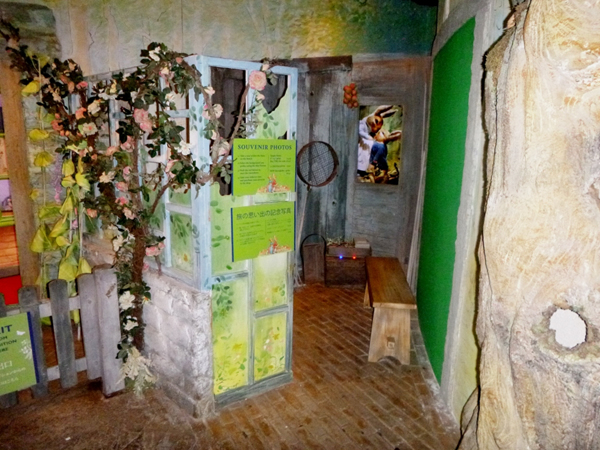
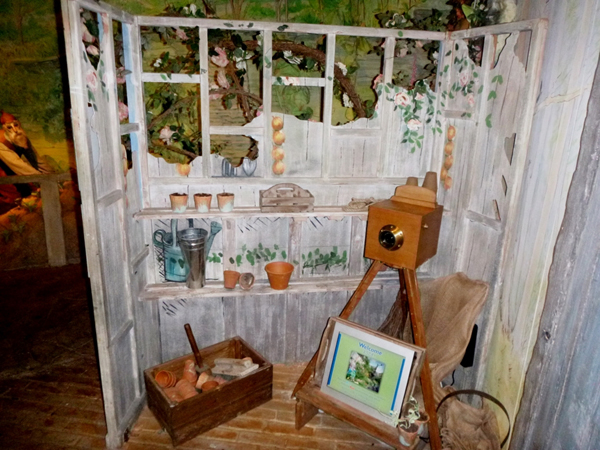
We enjoyed developing a photo system for The World of Beatrix Potter at Bowness-on-Windermere in the Lake District. A visit to Mr McGregor’s Potting Shed gives visitors the chance for a photo opportunity. They can choose for their photo to be incorporated into a selection of cute-as-a-button scenes with Mrs Tiggywinkle, Peter Rabbit or Jemima Puddleduck and have their personalised photo printed on their choice of souvenir items. It’s a great way to provide a richer family memory of the visit and to create some of that valuable secondary spend.

Photo system at The World of Beatrix Potter

We worked closely with the electrical, fit-out and theming teams to make sure everything fitted together and worked smoothly. The components are easy to remove and replace to ensure ease of operation and maintenance – and minimum downtime for this revenue-generating system.

Remote technical support saves the day at Copper Kingdom

It’s the nature of many heritage attractions to be off the beaten track, celebrating our natural world and the industrial heritage that grew from it. That’s all part of their appeal. But when technical disaster strikes, a remote location needs support that can operate remotely to get them back up and running as soon as possible.

Copper Kingdom interactive exhibit

Copper Kingdom, based on Anglesey, takes good care of its technology, decommissioning it over the winter months to keep it safe but even the best of care can’t stop the occasional problem cropping up. So, when one of their computers developed a fault, it could have brought their eight interactive exhibits to a halt.

Just as well, then, that we had talked to them about a support package that meant they had a spare computer on site which we were able to configure from our office, 130 miles away. They were up and running again in no time and could send the broken computer back to us to be repaired. All part of the service.

Read our case study on The Copper Kingdom…

Page 4 of 512345